Why Multi Plate Pipe Is a Smart Choice for Drainage and Road Culverts
When I first started working on infrastructure projects in Indonesia, I noticed something about how drainage systems were being built. The old habits leaned heavily on concrete, and for good reason. Concrete is strong, familiar, and well understood. But as the years went by, I saw more and more engineers turning to steel alternatives. One option that kept coming up in conversations was the multi plate pipe. It was not a term I heard every day, but once I understood what it meant, it became clear why it was gaining traction.
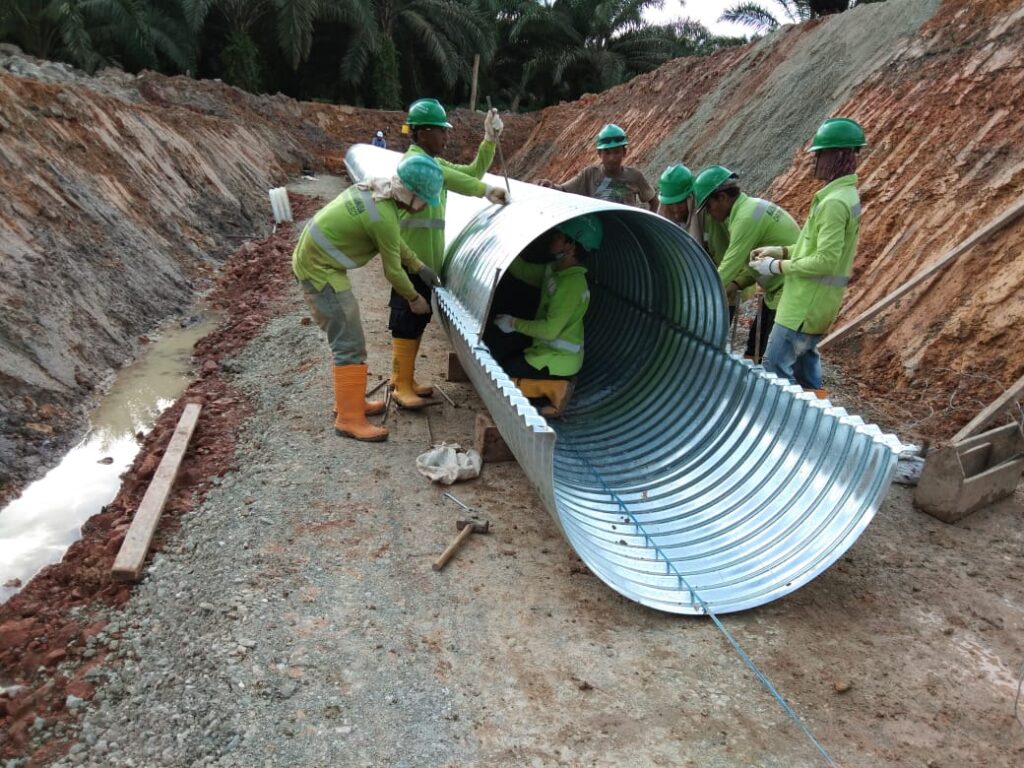
A multi plate pipe is essentially a structural pipe made from multiple curved steel plates that are bolted or welded together on site. Think of it like a giant metal puzzle that assembles into a round or arched passage. You see them used in road culverts, drainage channels, and even under railway embankments. The beauty of this design is its flexibility. You can adjust the diameter, the wall thickness, and even the shape to match the hydraulic load and soil conditions. That kind of adaptability is rare in prefabricated pipe systems.
How Multi Plate Pipe Differs from Traditional Options
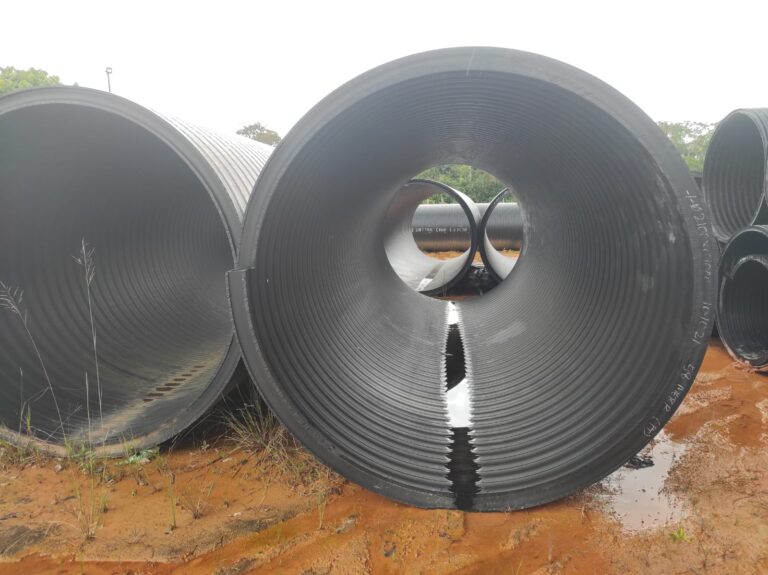
Conventional drainage pipes, like those made from concrete or plain steel, have been around for decades. But they come with trade-offs. Concrete is heavy, expensive to transport, and prone to cracking if the ground shifts. Spiral pipe, which is another common choice, works well for smaller diameters but can be limiting when you need a large opening. That is where multi plate pipe steps in. Because it ships as flat or slightly curved plates, you can transport many units in a single truck. Assembly happens at the site, which cuts down on logistics headaches.
One project I consulted on involved replacing a corroded corrugated metal culvert under a busy provincial road. The old pipe had rusted through after years of exposure to acidic runoff. The team considered gorong-gorong beton, but the weight and the need for heavy equipment made it impractical for the narrow access road. They ended up choosing a multi plate pipe fabricated from galvanis hot dip steel. The corrosion resistance was a major factor, especially given the aggressive soil chemistry in that area. Installation took three days instead of the estimated week for concrete.
Material Choices and Coatings Matter
Not all multi plate pipes are created equal. The steel grade and the coating system determine how long the pipe will last. For most drainage applications in Indonesia, you want something that can handle high humidity and occasional flooding. Galvanis hot dip coating is the standard. It applies a thick layer of zinc that bonds to the steel surface, forming a barrier against moisture. Some manufacturers also add a layer of zat anti karat or an epoxy finish for extra protection.

On the higher end, you have pipes made from COR-TEN steel, which develops a stable rust layer that actually protects the underlying metal. I have seen COR-TEN used in bridge culverts where aesthetics matter, because the weathered look blends into the landscape. But for most road culvert applications, standard galvanised steel with a hot dip coating is more than adequate. The key is to match the coating to the environment. If the water is slightly acidic or contains chlorides, you might need a thicker coating or a stainless steel grade.
Structural Features You Should Know About
The plates themselves are shaped into what the industry calls profil omega, named after the Greek letter omega because of its cross-section. This profile adds stiffness without adding too much weight. When you bolt the plates together, the overlapping joints create a continuous ring that distributes loads evenly. The connection points use sambungan mekanis, which are mechanical joints that rely on bolts and gaskets rather than welds. That makes assembly faster and easier to inspect.
Welding, when required, is usually done with las TIG for precision. TIG welding produces clean, strong seams that are less likely to crack under stress. But in a multi plate pipe system, most of the structural integrity comes from the bolted joints. Welding is reserved for attaching flens, which are the flat rings at the ends of the pipe that allow it to connect to other structures like manhole chambers or concrete headwalls.
Real-World Applications and Performance
I visited a housing development in Bekasi where the developer had installed a multi plate pipe system for the main stormwater drainase. The site was flat, prone to flooding during the rainy season, and the soil was soft clay. A concrete box culvert would have required deep foundations and extensive formwork. The multi plate pipe, on the other hand, sat on a simple gravel bed and was backfilled with compacted soil. The flexibility of the steel allowed the pipe to settle slightly without cracking, something concrete would not tolerate.
The developer told me they chose PT Primari Inrahm Utama as the supplier because the company produces gorong-gorong baja that meets SNI 8308 standards and carries TKDN certification. For government projects, having TKDN certification is a big deal because it qualifies the product for local content requirements. The pipes were fabricated in the company’s own factory in Bekasi, which gave the developer confidence in quality control and delivery timelines.
Another application I often see is in road culvert replacements. Old corrugated metal pipes that have rusted through or collapsed are dug out and replaced with a multi plate pipe. Because the new pipe can be assembled inside the existing trench, you do not need to widen the excavation. That saves time and reduces disruption to traffic. Some contractors even use a technique called slip-lining, where the new pipe is inserted into the old one. But that only works if the old pipe is still round enough to accept the new plates.
Maintenance and Long-Term Considerations
One question I always get is about maintenance. Steel pipes, even galvanised ones, will eventually corrode if the coating gets scratched or if the environment is particularly aggressive. But with a multi plate pipe, you can inspect the interior using inspeksi CCTV. A camera on a crawler drives through the pipe and sends back video footage. If you spot a problem area, you can patch it with a repair plate or reapply coating. That is harder to do with concrete, where cracks often require full section replacement.
Some engineers worry about the joints in a multi plate pipe leaking. In my experience, properly installed gaskets at the sambungan mekanis are very reliable. The key is to ensure the bolt torque is correct and that the gasket is not pinched during assembly. A good installer will test each joint with water pressure before backfilling. I have seen systems that have been in service for over 20 years with no significant leaks.
Environmental Benefits Worth Noting
Steel is one of the most recycled materials on the planet. Many multi plate pipes are made from steel that contains a high percentage of daur ulang baja. At the end of the pipe’s life, the steel can be recovered and melted down to make new products. Concrete, by contrast, is difficult to recycle and often ends up in landfills. For projects that require environmental certifications, using recycled content steel can help earn points.
I also like that multi plate pipe systems produce less construction waste on site. Because the plates are pre-cut and pre-drilled at the factory, there is no cutting or grinding at the job site. That means fewer metal scraps, less dust, and less noise. For urban projects near schools or hospitals, that makes a real difference.
Cost and Value
Let me be honest: the upfront cost of a multi plate pipe can be higher than a standard spiral pipe or a concrete pipe of the same diameter. But when you factor in the lower transportation costs, faster installation, and longer service life, the total cost of ownership often comes out lower. I have seen projects where the savings in construction time alone paid for the premium.
One contractor I worked with compared quotes for a 3-metre diameter culvert. The concrete option required specialised trailers for each segment and a crane for placement. The multi plate pipe option came in 18 steel plates that fit on a single flatbed truck. The concrete option needed a crew of 12 for two weeks. The steel option needed a crew of 6 for five days. The numbers spoke for themselves.
If you are specifying a multi plate pipe for a project, pay attention to the coating specification and the joint design. Ask the manufacturer for test reports on the galvanis hot dip thickness and the bolt shear strength. Insist on compliance with SNI 8308 if the project is in Indonesia. And if local content is a requirement, check that the product carries TKDN certification. Companies like PT Primari Inrahm Utama, with their own production facility in Bekasi, can usually provide those documents without delay.
To wrap up, the multi plate pipe is not a silver bullet. It has limits. It is not ideal for very high pressure applications or for conveying abrasive slurries. But for gravity-fed drainage, stormwater management, and road culverts, it is a robust, flexible, and cost-effective solution. The next time you are evaluating pipe options for a drainage or culvert project, give the multi plate pipe a serious look. It might just be the right fit for your site conditions and your budget.